

Top Hawaii Trends of 2026: What Locals Need to Know
The Top Five Hawaii Trends of 2026 Locals Should Watch Closely
Every year, Hawaiʻi changes in quiet but meaningful ways—sometimes faster than residents realize. In 2026, those shifts are not driven by tourism slogans or mainland fads, but by local responses to cost of living pressures, climate realities, generational change, and a growing insistence that island life be sustainable and joyful.
From how people socialize to what they wear, eat, and build, the following five trends are reshaping daily life across the islands—especially on Oʻahu, where culture, commerce, and community pressure points tend to surface first. These are not passing curiosities. They are signals of where Hawaiʻi is headed next.
1. The Rise of the Sober-Curious, Kava-Forward Nightlife Scene
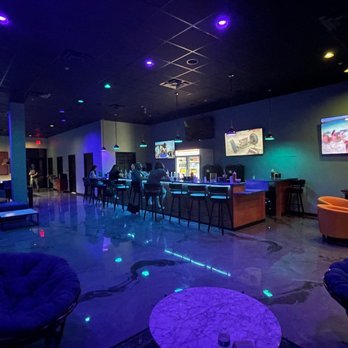
For decades, nightlife in places like Honolulu and Waikīkī revolved around alcohol-centric bars and clubs. In 2026, that model is quietly but decisively shifting.
The sober-curious movement—already visible on the mainland—has taken on a uniquely Hawaiʻi form. Kava lounges, botanical mocktail bars, and community-oriented night cafés are expanding beyond niche status. These spaces blend Polynesian tradition, wellness culture, and modern hospitality, offering social connection without hangovers or $18 cocktails.
What makes this trend distinctly local is why it’s resonating. Many residents are navigating multiple jobs, early mornings, and family responsibilities. Drinking less is not about abstinence as ideology—it’s about sustainability. Younger locals, in particular, are opting for environments that support conversation, music, poetry, and cultural programming rather than volume and intoxication.
By late 2026, sober-friendly venues are no longer novelty options. They are part of the default social mix.
2. Climate-Adaptive Living Moves From Policy to Practice
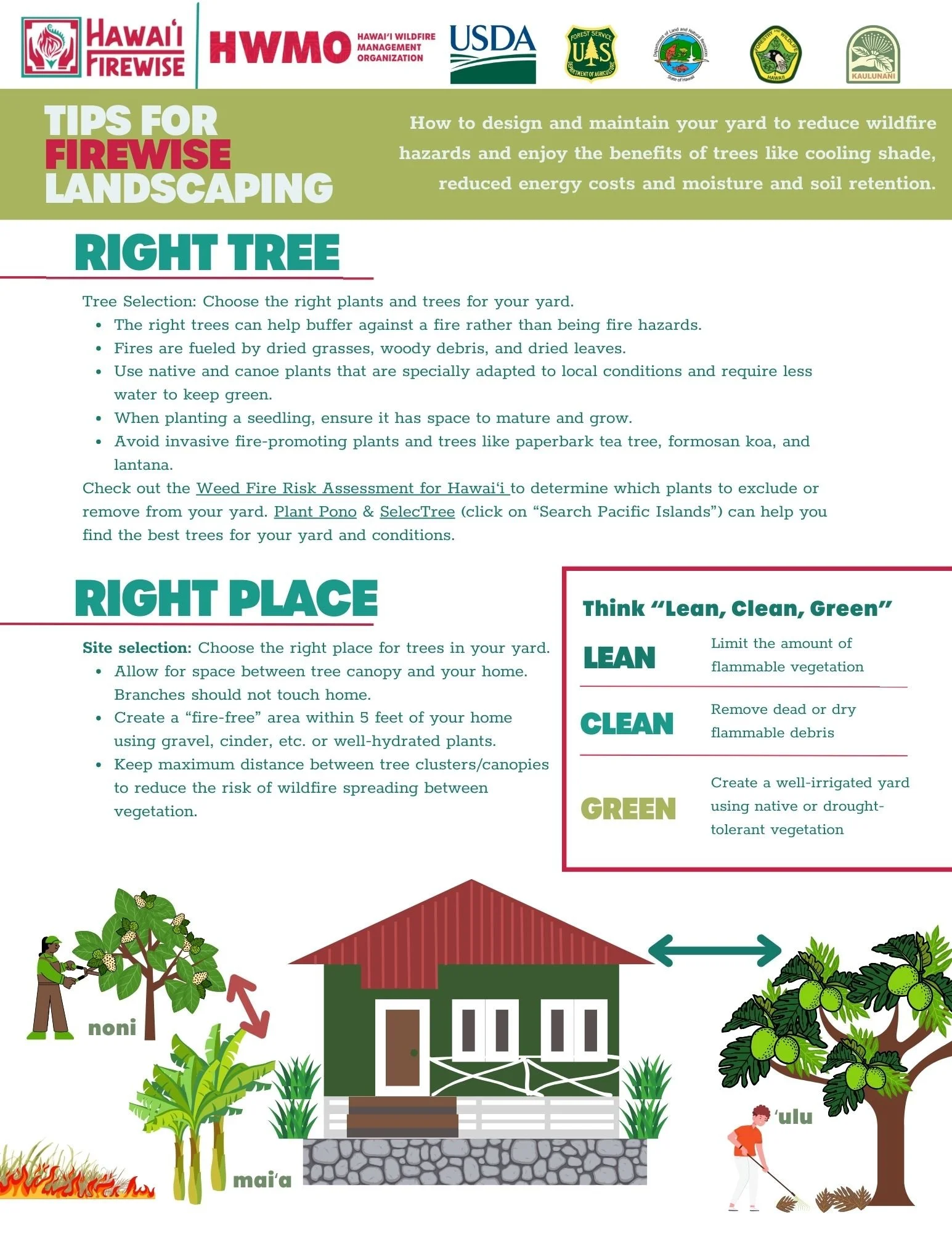
Climate change in Hawaiʻi is no longer an abstract future concern—it is a daily design constraint. After years of discussion, 2026 marks the moment when climate-adaptive living becomes mainstream rather than aspirational.
Across the islands, locals are prioritizing wildfire-resistant landscaping, rainwater catchment systems, home battery storage, and heat-resilient building materials. These choices are not driven by trendiness but by necessity: insurance pressures, infrastructure fragility, and lived experience with extreme weather events.
On leeward sides of Oʻahu and neighboring islands, homeowners are increasingly retrofitting properties for self-sufficiency. Solar plus battery setups are treated less as eco-luxuries and more as baseline preparedness. Even renters are factoring climate resilience into housing decisions.
What’s new in 2026 is the cultural framing. Climate adaptation is no longer framed as sacrifice. It is framed as competence, mālama ʻāina, and long-term local intelligence.
3. Local-First Fashion Gets Smaller, Smarter, and More Expensive—On Purpose
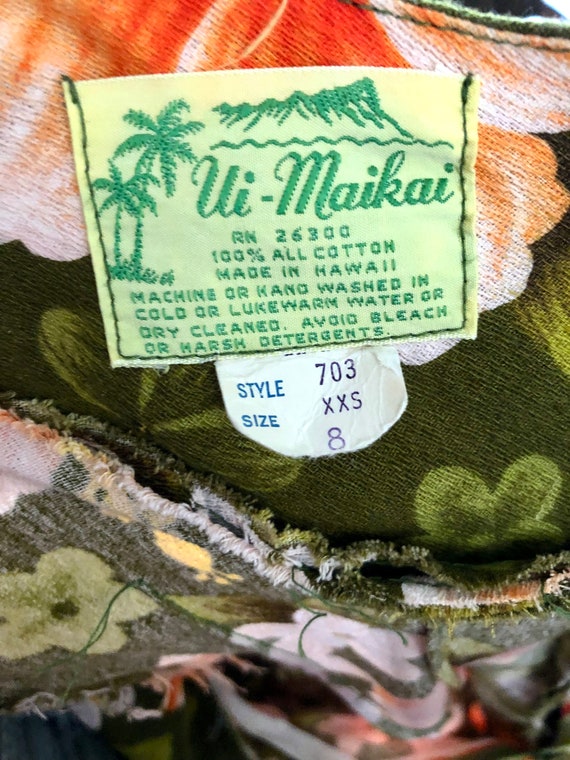
Fast fashion never truly fit Hawaiʻi—but in 2026, it is visibly losing ground to small-batch, locally designed apparel with intentional pricing.
Island fashion is trending toward fewer drops, higher quality, and deeper storytelling. Instead of chasing seasonal churn, local brands are producing limited runs that emphasize durability, cultural reference, and ethical production. Consumers are buying fewer pieces and wearing them longer.
This shift reflects economic reality. With shipping costs high and margins thin, designers are opting for sustainability over scale. It also reflects cultural maturity: locals increasingly want clothing that signals belonging and values rather than trend compliance.
In 2026, a $68 locally made tee is not seen as overpriced. It is seen as aligned—with place, labor, and identity.
4. Food Culture Tilts Toward “Everyday Local” Over Destination Dining

Hawaiʻi’s food scene has long been defined externally by destination dining and Instagram spectacle. In 2026, locals are steering the narrative back toward everyday excellence.
Neighborhood plate lunch spots, weekend pop-ups, and chef-run micro-operations are thriving—not because they are flashy, but because they are consistent, culturally fluent, and affordable by Hawaiʻi standards. Comfort food with subtle innovation is outpacing tasting menus.
There is also a renewed emphasis on local sourcing without elitism. Menus highlight island-grown ingredients when possible, but without turning sustainability into a marketing lecture. The tone is practical, not performative.
This trend reflects a broader recalibration: food as daily nourishment and social glue, not a once-a-year splurge.
5. Community-Scaled Entrepreneurship Replaces “Big Exit” Startup Culture

In 2026, Hawaiʻi entrepreneurs are increasingly rejecting the mainland startup fantasy of hypergrowth and venture exits. In its place is a community-scaled business mindset focused on durability, autonomy, and lifestyle integration.
Small studios, consultancies, pop-up retail concepts, and hybrid online/offline businesses are proliferating. Many are intentionally capped in size. Success is measured not in acquisition potential, but in flexibility, cultural contribution, and income stability.
This shift is particularly visible among mid-career professionals who are leveraging experience into independent work rather than chasing corporate ladders that no longer make economic or emotional sense in Hawaiʻi.
The result is a quieter, more resilient local economy—less flashy, but more rooted.
Why These Trends Matter
Taken together, these five trends tell a consistent story. Hawaiʻi in 2026 is not retreating from modernity—it is refining it. Locals are choosing systems that support long-term presence over short-term optimization.
Social spaces are healthier. Homes are smarter. Fashion is slower. Food is closer to home. Businesses are built to last, not flip.
For residents, these shifts offer something rare: a sense that the future of Hawaiʻi can still be shaped locally, on island terms.
And that, more than any single trend, may be the most important signal of all.